Blog

Credibly reintermediate backend ideas for cross-platform models. Continually reintermediate integrated processes through technically sound intellectual capital.
08/Aug/2026

Some blockages cannot be cleared with a simple balloon. Doctors used to have few options for these lesions but open-heart surgery. They now have a new way to dilate the artery when other methods are ineffective: laser angioplasty.

What Is Laser Angioplasty?

Laser angioplasty clears the artery with a laser-tipped catheter, called excimer laser coronary angioplasty or ELCA by doctors. It uses cool ultraviolet light, instead of heat, to break the plaque into small parts the body can absorb. This method clears the artery, without harming the surrounding tissue.

How Does It Differs From Balloon Angioplasty?

A regular balloon dilates the artery by pushing the plaque aside using pressure. It’s effective for many lesions. But it can’t clear older, thick, or tough lesions. Laser angioplasty goes about this differently. It breaks the plaque down instead of moving it aside. Typically, it is used first to make a channel, which is followed with a balloon or stent.

Who Needs Laser Angioplasty?

Doctors tend to recommend it for:

  • Arteries blocked for a long time
  • Blockages that are heavily calcified
  • Failed stents or repeat blockages inside old stents
  • Patients who want to avoid bypass surgery, where this is safe

Benefits

  • Clears blockages that balloons and stents can’t reach on their own
  • Cuts the need for open-heart surgery in some cases
  • Causes less damage to the body than surgery
  • Heals faster than surgery
  • Works well with a stent for a lasting fix

Risks to Know

Like any heart procedure, laser angioplasty carries some risk. These include a small tear in the artery wall, bleeding at the access point, and the artery narrowing again over time. These problems are rare. Your doctor will weigh them against the benefits for your case.

Recovery and Cost

Most patients go home within a day or two. They rest and stay light on activity for the first week. Over the next few weeks, they slowly return to normal life. In India, this procedure often costs between ₹2.50 lakhs and ₹4.50 lakhs. The cost is dependent on the hospital, city and whether a stent is placed after the procedure.

Final thoughts

Laser angioplasty provides new hope for patients with a hard-to-treat, stubborn blockage. If you are considering treatment for a hard blockage, the Aruna Cardiac Care team can help you determine whether it is suitable for you.

Frequently Asked Questions

What is laser angioplasty and how does it work? It uses a laser-tipped catheter with cool UV light to break down plaque in blocked arteries. This clears a path with little harm to nearby tissue.

Is laser angioplasty safe? Yes. It’s safe for most patients, especially those with hard blockages that don’t respond to a normal balloon. Your doctor will check your case first.

How is it different from balloon angioplasty? A balloon pushes plaque aside with pressure. Laser angioplasty breaks the plaque down with light. This makes it work better on tough, hard blockages.

Who can benefit from this procedure? Usually patients with old blockages, calcification (hard calcium deposits), or failed stent placements are a good option. Your doctor will determine after reviewing your angiogram.

What is the cost of laser angioplasty in India? The cost of laser angioplasty in India is around ₹ 2,50,000 to ₹ 4,50,000. The cost may vary depending on the hospital, city and the number of any additional devices used.


08/Aug/2026

Fat and cholesterol can build up inside your heart tubes. They block normal blood flow. This issue causes chest pain or even a heart attack. Doctors have many ways to clear these blocks. One modern choice uses light energy to clean the pathways. Learning about Laser Angioplasty In Tirunelveli helps you make smart health choices.

Let us look at how this treatment works. We will see how it helps your heart stay healthy.

What Is Laser Angioplasty?

Standard angioplasty uses a tiny balloon to push fat against the walls of your blood vessels. Laser angioplasty works differently. It does not just push the block aside. It destroys the hard fat using a cool laser beam.

During the test, a doctor guides a thin tube with a laser tip inside your blocked tube. The laser sends out gentle beams of light. This light breaks down the hard blocks into tiny particles. The particles dissolve safely in your blood. For hard blocks, choosing Laser Angioplasty In Tirunelveli provides a great solution.

How It Helps Your Heart

This modern method offers great benefits for your heart system:

  • Clears Hard Blocks: Some blocks turn hard like stone. Standard balloons cannot open them easily. The laser breaks down this hard material safely.
  • Protects Healthy Tubes: The cool laser light hits only the blockage. It does not heat or hurt the healthy walls of your blood vessel.
  • Improves Blood Flow: Clearing the block lets blood flow freely again. This relieves chest pain and lowers your risk of a heart attack.

Why Choose Aruna Cardiac Care?

We offer top heart care with great equipment. Our expert team checks your heart to choose the right plan for you. If your tests show hard blockages, our team can perform Laser Angioplasty In Tirunelveli with great care.

We guide you through every step. We make sure you feel safe and comfortable from start to finish. Getting high-quality treatment like Laser Angioplasty In Tirunelveli ensures you get top care close to home. You do not need to travel to distant cities.

What to Expect During the Procedure

The treatment does not require open surgery. You get medicine to help you relax. The doctor numbs the entry spot on your leg or arm. The doctor then guides the laser tool to the heart.

Most patients feel no pain during the process. The entire treatment takes only one or two hours. You can usually go home the next day. You can return to your light daily routines very quickly. Talk to our experts to see if you need Laser Angioplasty In Tirunelveli.

Frequently Asked Questions (FAQs)

1. Is laser angioplasty a safe procedure for the heart?

Yes, it is very safe. The cool laser tool is highly precise. It cleans the blockages without causing heat damage to your healthy blood vessels.

2. Who needs Laser Angioplasty In Tirunelveli instead of standard angioplasty?

This treatment is best for patients with very hard blocks. It is also used when standard balloon tools cannot pass through the blocked area.

3. How long does it take to recover after the treatment?

Most patients stay in the hospital for just one day. You can return to your normal daily activities within a week.

4. Will I feel any pain during the laser treatment?

No, you will not feel pain. The doctor uses local numbing medicine at the entry spot. You also get mild medicine to help you stay calm.

5. Do I still need to take heart medicines after the laser procedure?

Yes. Laser treatment clears the physical block. You must still take your medicines to keep your blood pressure and cholesterol safe.


08/Aug/2026

Taking care of your heart is simple. Small daily choices make a big difference in how you feel. By building a few easy routines, you protect your blood vessels. You keep your heart pumping strong.

If you feel worried about your chest health, you should get a professional checkup. Consulting a trusted Cardiologist In Tirunelveli is a smart step. Here are five easy habits you can start today to keep your heart in top shape.

1. Walk for 30 Minutes Every Day

Your heart’s, like a muscle. It needs exercise to stay strong. Walking for 30 minutes a day can help lower your blood pressure. It also helps you control your weight. You do not have to run a marathon to see benefits. Just walking around your block is good enough to get your blood flowing.

2. Fill Your Plate with Whole Foods

What you eat directly affects your arteries. Try to reduce oily items and deeply fried foods. Cut back on white sugar. Instead, eat more fresh fruits and green vegetables. Whole grains and nuts are also great choices. These foods contain natural vitamins that clear out bad cholesterol. If you need a clear diet plan, a specialized Cardiologist In Tirunelveli can guide you.

3. Drink Plenty of Plain Water

Drinking water helps your heart pump blood easily. When you do not drink water your blood gets thicker. This makes your heart work harder. Carry a water bottle with you. Do not drink sodas or packaged juices.

4. Get 7 to 8 Hours of Sleep

Sleep is the time when your body repairs itself. When you skimp on sleep, your body releases stress chemicals. These chemicals raise your heart rate and blood pressure. Make it a habit to go to bed at the same time every night. Keep your bedroom dark and quiet.

5. Check Your Numbers Regularly

You cannot feel high blood pressure or high cholesterol. Doctors call them silent threats for this reason. Make it a habit to check your blood pressure once a month. Visiting a dedicated Cardiologist In Tirunelveli for a yearly checkup is important. It ensures that hidden issues are caught early.

Expert Care for Your Heart

Taking care of yourself is very important. Doing things every day that’re good, for you helps you stay on the right path. Going to see a doctor regularly makes you feel better because you know you are okay. If you feel really tired. Talking to a Cardiologist In Tirunelveli helps you get the tests you need to make sure you are healthy. You can start making some changes today. This way you can stay healthy. 

Frequently Asked Questions (FAQs)

1. How does walking every day help my heart?

Walking increases your heart rate and improves blood flow. This simple habit lowers your blood pressure, reduces stress, and strengthens your heart muscle over time.

2. When should I see a Cardiologist In Tirunelveli for a checkup?

You should visit a doctor if you have a family history of heart disease. High blood pressure or diabetes are also reasons to visit. Seek immediate care for chest pain.

3. What foods should I avoid to prevent blocked arteries?

Limit foods high in bad fats. This includes deep-fried snacks, processed meats, and bakery items. Avoid foods with heavy amounts of added white sugar.

4. Can high stress cause long-term heart problems?

Yes. Constant stress releases chemicals that keep your blood pressure high. Finding healthy ways to relax protects your heart. Try deep breathing or daily walking.

5. How much water should I drink daily for good circulation?

Most adults should drink 8 to 10 glasses of plain water daily. This amount keeps your blood volume normal. It makes it easier for your heart to pump.


640x480.jpg
05/Feb/2025

At Aruna Cardiac Care Hospital, we believe that understanding your heart and its health is the first step toward a longer, healthier life. Heart disease remains one of the leading causes of death worldwide, but the good news is that many heart conditions are preventable with the right knowledge and lifestyle choices.

Here’s a guide to help you understand your heart, its function, and how you can take proactive steps to protect it.

What is the Heart and How Does it Work?

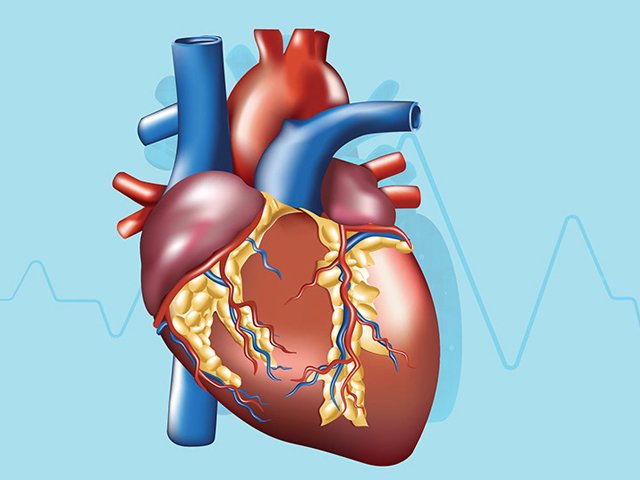
The heart is a vital organ in the body, responsible for pumping blood throughout the circulatory system. It supplies oxygen and nutrients to tissues and removes carbon dioxide and waste. The heart is a muscular organ about the size of your fist, located slightly left of the center of your chest. It works tirelessly, beating about 70 to 75 times per minute for an average of 100,000 beats per day!

The heart consists of four chambers: two atria (upper chambers) and two ventricles (lower chambers). The right side of the heart receives deoxygenated blood from the body and pumps it to the lungs, while the left side receives oxygenated blood from the lungs and pumps it to the rest of the body.

The Importance of a Healthy Heart

A healthy heart ensures that all organs and tissues in your body receive the necessary oxygen and nutrients to function optimally. When your heart is compromised due to disease or poor lifestyle choices, it can lead to conditions such as:

  • Coronary Artery Disease (CAD): A condition where the blood vessels supplying the heart become narrowed or blocked, reducing blood flow.
  • Heart Failure: A condition where the heart is unable to pump enough blood to meet the body’s needs.
  • Arrhythmias: Abnormal heart rhythms that can affect the heart’s ability to function effectively.
  • Heart Attacks and Strokes: Blocked blood flow to the heart or brain, often caused by clots, leading to severe damage.

Signs of Heart Disease

It’s important to recognize the signs and symptoms of heart disease early so you can seek treatment before it becomes more serious. Common signs of heart problems include:

  • Chest pain or discomfort
  • Shortness of breath
  • Unexplained fatigue
  • Dizziness or lightheadedness
  • Pain in the neck, jaw, or back
  • Swelling in the legs, ankles, or feet

If you experience any of these symptoms, it’s crucial to consult with a healthcare provider, as early detection and intervention can save lives.

Risk Factors for Heart Disease

While some factors like age and family history are beyond your control, others can be managed through lifestyle changes. Here are the key risk factors for heart disease:

  • High Blood Pressure (Hypertension): It forces the heart to work harder and can damage blood vessels.
  • High Cholesterol: Elevated cholesterol levels can lead to plaque buildup in the arteries.
  • Smoking: Smoking damages blood vessels and increases the risk of heart disease.
  • Obesity: Being overweight increases the risk of hypertension, diabetes, and high cholesterol.
  • Physical Inactivity: A sedentary lifestyle can contribute to weight gain and poor heart health.
  • Diabetes: High blood sugar levels can damage blood vessels over time, increasing the risk of heart disease.

How to Keep Your Heart Healthy

The good news is that many of the risk factors for heart disease are preventable or manageable with the right habits. Here’s what you can do to improve your heart health:

  1. Eat a Heart-Healthy Diet: Focus on whole grains, fruits, vegetables, lean proteins, and healthy fats. Reduce your intake of processed foods, sugars, and unhealthy fats.

  2. Exercise Regularly: Aim for at least 30 minutes of moderate exercise, such as walking, cycling, or swimming, most days of the week.

  3. Quit Smoking: Smoking is a major contributor to heart disease. Quitting can dramatically improve your heart health.

  4. Monitor Your Blood Pressure and Cholesterol: Regular check-ups can help you track your numbers and take action if needed.

  5. Maintain a Healthy Weight: Losing excess weight reduces the strain on your heart and lowers the risk of heart disease.

  6. Manage Stress: Chronic stress can contribute to heart problems. Practice relaxation techniques such as meditation, yoga, or deep breathing exercises.

  7. Get Regular Check-ups: Regular check-ups with your healthcare provider are essential for monitoring your heart health. Early detection can make a significant difference in preventing or managing heart disease.

When to Seek Medical Help

It’s important to seek medical attention if you experience any unusual symptoms or have risk factors for heart disease. Early intervention and proper management can make a significant difference in improving your heart health and overall well-being.

At Aruna Cardiac Care Hospital, we are dedicated to providing comprehensive cardiac care and support to help you maintain a healthy heart. From prevention and diagnostic testing to advanced treatments, our team of experienced cardiologists is here to guide you every step of the way.

If you have any concerns about your heart health or need advice on maintaining a healthy heart, don’t hesitate to contact us. Your heart matters, and together, we can work toward a healthier future!

Contact Us Today for Expert Cardiac Care at Aruna Cardiac Care Hospital!


ACC Beats for you.


ACC BEATS FOR YOU


0-800-777-2331


24/7 EMERGENCY NUMBER

Call us now if you are in a medical emergency need, we will reply swiftly and provide you with a medical aid.


Copyright by Aruna Cardiac Care 2024. All rights reserved.


Copyright by Aruna Cardiac Care 2024. All rights reserved.