
Laser Angioplasty
Laser Angioplasty
Laser Angioplasty is a minimally invasive procedure done using a catheter with a laser tip to remove blockages from the arteries. It is usually considered for treating narrowed heart arteries that are not responding to standard treatments such as balloons and/or stents. The procedure is often used for the treatment of difficult plaques, severely calcified lesions, and failed stents that could not be successfully crossed with conventional guidewires and catheters. At Aruna Cardiac Care, we use excimer laser coronary angioplasty (ELCA). This is the same UV-light laser technology used at big heart centres across India.
South Tamil Nadu’s First Laser Angioplasty Centre- Tirunelveli
Before this treatment came to Tirunelveli, patients with tough blockages had to travel far. Many went to Chennai or Bengaluru, often when their heart was already in danger. Aruna Cardiac Care is the first centre in South Tamil Nadu to offer laser angioplasty. This brings advanced laser care to patients from Tirunelveli, Thoothukudi, Kovilpatti, Tenkasi, and Nagercoil.
What Is Laser Angioplasty and How Does It Work?
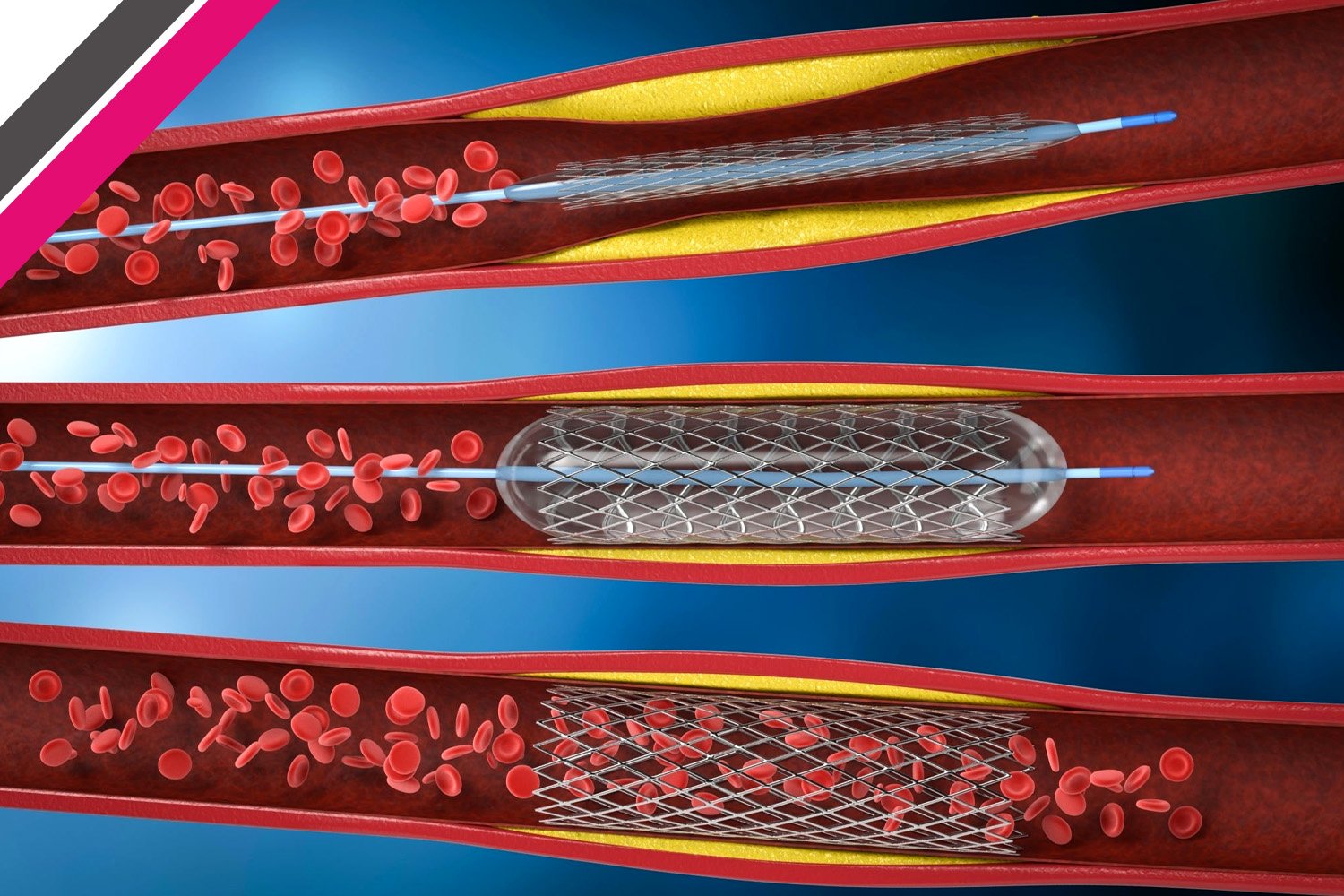
Laser angioplasty is also called laser atherectomy or laser-assisted angioplasty. It uses a thin tube with a laser tip. The doctor guides this tube through the artery to the blockage. Pulses of UV laser light break the plaque into tiny bits. This opens a path through material a balloon alone often cannot cross.
Here’s how the procedure works, step by step:
The cardiologist puts a tube in through the wrist or groin. They guide it to the blocked artery using X-ray pictures.
- The laser tube moves forward to the blockage.
- Pulses of UV laser light break down the plaque as the tube moves ahead.
- Once the path opens, the doctor often does balloon angioplasty or puts in a stent. This brings back normal blood flow.
- The doctor takes out the tube and closes the entry point.
- Most procedures take one to two hours. The time depends on how tough the blockage is.
How Is Laser Angioplasty Different from Balloon Angioplasty?
-
Balloon angioplasty opens an artery by blowing up a balloon inside it. This works well for simple blockages. But it struggles with hard, calcium-filled plaque, old blockages, or blockages inside an old stent. In these cases, the balloon can’t pass through or open up safely.
Laser angioplasty clears a path through this tough material first. It uses laser light instead of force. Doctors often use laser angioplasty along with balloon angioplasty or a stent, instead of them. The laser opens the path. The balloon or stent finishes the work.
Feature
Balloon Angioplasty
Laser Angioplasty
Best for
Soft, non-hard blockages
Hard, old, or failed-stent blockages
How it works
Pushes the artery open
Uses laser energy to break down plaque
Use with stents
Often paired with a stent
Often used before a stent
Typical case
First-time, simple blockage
Tough, hard-to-treat blockage
What Happens After Angioplasty?
-
Doctors usually suggest laser angioplasty for patients with:
- Old, long-standing blocked arteries
- Heavily hardened blockages that resist the balloon
- Blockages inside an old stent (in-stent restenosis)
- Blockages too risky or hard to treat with a normal angioplasty alone
Your cardiologist will check if you are a good fit for this. They will look at your angiogram and imaging first.
Is Laser Angioplasty Safe? Risks and Complications
Laser angioplasty is a safe, well-known method in the hands of a skilled team. Like any tube-based heart procedure, it carries some risk:
- A small tear or injury in the vessel wall (rare, and watched closely during the procedure)
- Bleeding or bruising where the tube goes in
- The artery may spasm during laser use
- A small chance the blockage comes back over time
Your care team will explain your own risk based on your angiogram before the procedure.
What Is the Recovery Time After Laser Angioplasty?
Most patients stay in hospital for 24 to 48 hours after the procedure. Many go back to light daily tasks within a few days. Most get back to normal life in one to two weeks. This depends on your overall heart health. Your cardiologist will give you a recovery plan. It will cover your medicines and lifestyle steps to lower your risk of future blockages.
How Much Does Laser Angioplasty Cost in India?
Factors affecting Laser Angioplasty costs include the degree of condition’s severity, no. of blocked arteries, duration of hospitalization, if the patients are under insurance/government scheme. You should reach out to us at Aruna Cardiac Care for an exact cost estimation. We will give you a more precise idea regarding the charges based upon your specifics.
Why Choose Us in South Tamil Nadu
- South Tamil Nadu’s first laser angioplasty centre. No need to travel to Chennai or Bengaluru for this treatment.
- Under the able guidance of Dr. E. Arunachalam, a competent and trustworthy Interventional Cardiologist.
- We have rendered our services with sincerity to patients from Tirunelveli, Thoothukudi, Kovilpatti, Tenkasi, and Nagercoil.
Contact Us
For more information or to schedule a consultation for angioplasty, please contact us at +91 9487 66 55 77 . Our compassionate team is here to provide the highest quality of cardiac care.